Commemorating the Modoc War: A Tribute to Resilience and Bravery
By Troy Miller
In honor of Native American Heritage Month, we delve into a significant chapter of Native American history – the Modoc War. As we mark the 150th anniversary of the death of the Modoc warriors and their exiled descendants, we pay tribute to their courage, tenacity, and the enduring spirit of the Modoc people.
The Genesis of Conflict
The Modoc War, a pivotal event in U.S. history, was rooted in the territorial disputes between the Modoc tribe and the invading pioneers. The Modocs resisted their forced relocation from their ancestral home along the California-Oregon border to the Klamath Reservation. The settlers, who had claimed the Modoc lands, staunchly rejected any compromise. The greed for tribal lands This fierce resistance ignited a violent conflict that would last for months. Corruption within the government, The government already had plans to drain the land. Captain Jack didn’t want to be any where else but where God placed him.
The Modoc War: An Unequal Battle
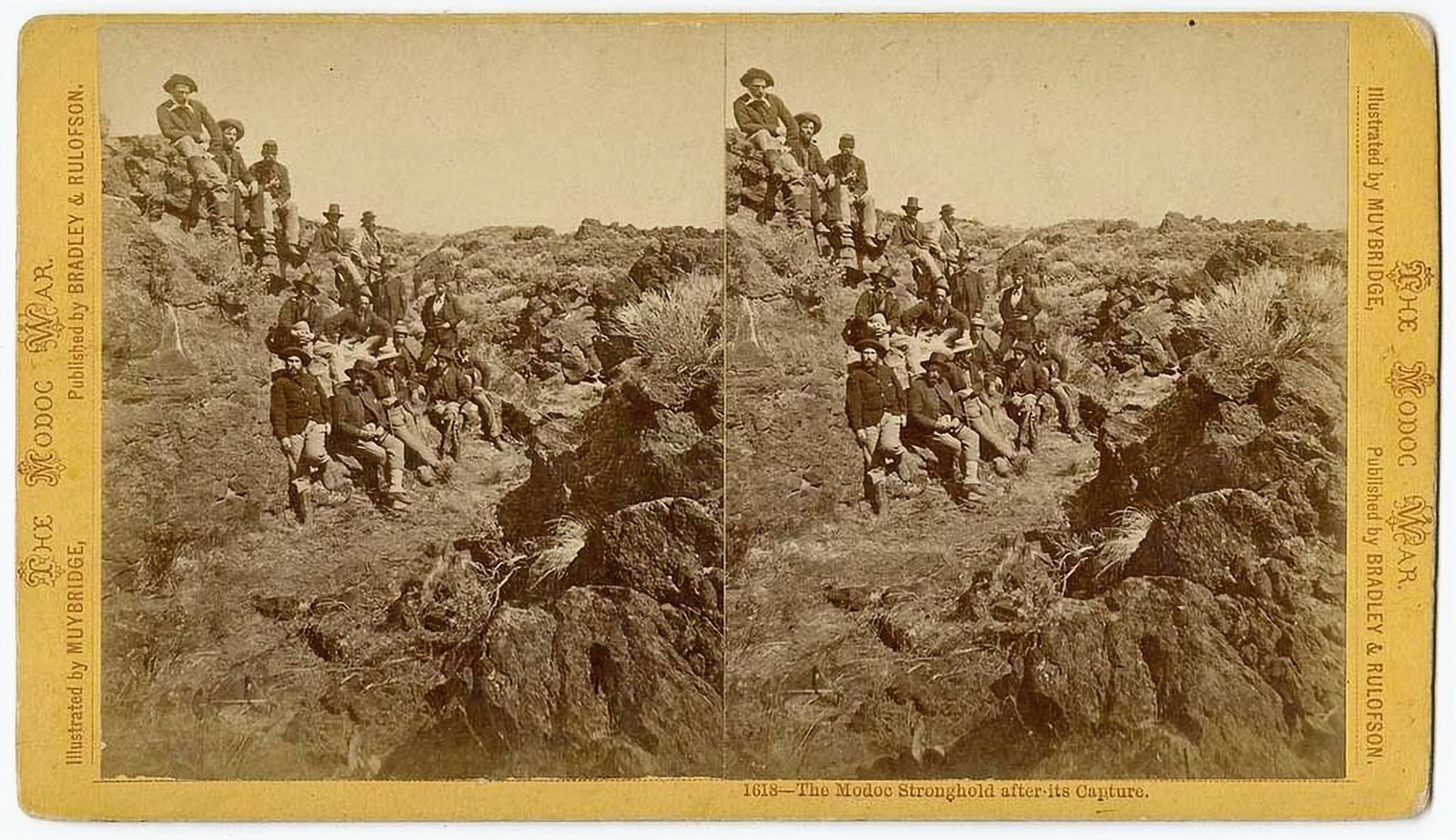
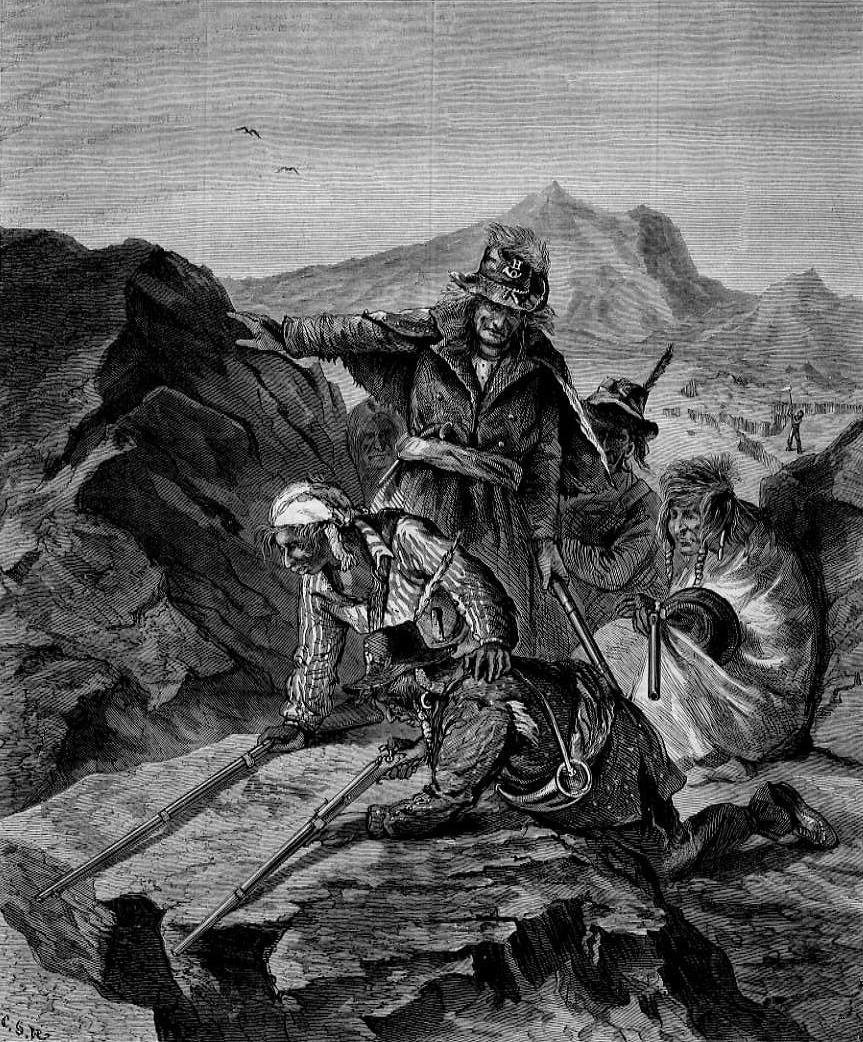
The Modoc War, unprecedented in its cost and significance, unfolded over seven months from 1872 to 1873. Astonishingly, fewer than 75 Modoc warriors Men women and children, shagnasties baby was born in the caves, held off a force of over 1,000 U.S. Army and volunteer troops. The Modoc's strategic use of the lava fields around Tule Lake as their stronghold marked one of the few instances of siege warfare in the annals of the Indian Wars. Put on cattle trains to be shipped back to Oklahoma without jackets and shackled together. Some froze to death on the train.
The Cost of War
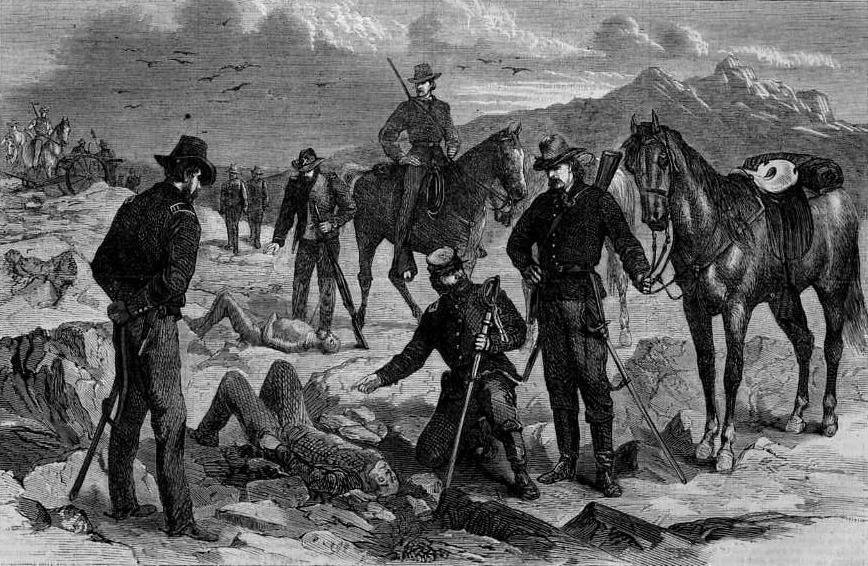
The war took a heavy toll. The U.S. Army suffered dozens of casualties, including the death of General E.R. Canby, the leader of the U.S. Army contingent. The Modoc losses were equally devastating. Over twenty people, including four of their leaders, were executed as war criminals. Those few family band survivors were exiled to Oklahoma, where many tragically succumbed to unfamiliar diseases and harsh living conditions. Other Modocs never left Oregon, the stayed at the agency or where sent to Yainax a Modoc agency in Sprauge River Oregon.
Remembering the Modoc Warriors
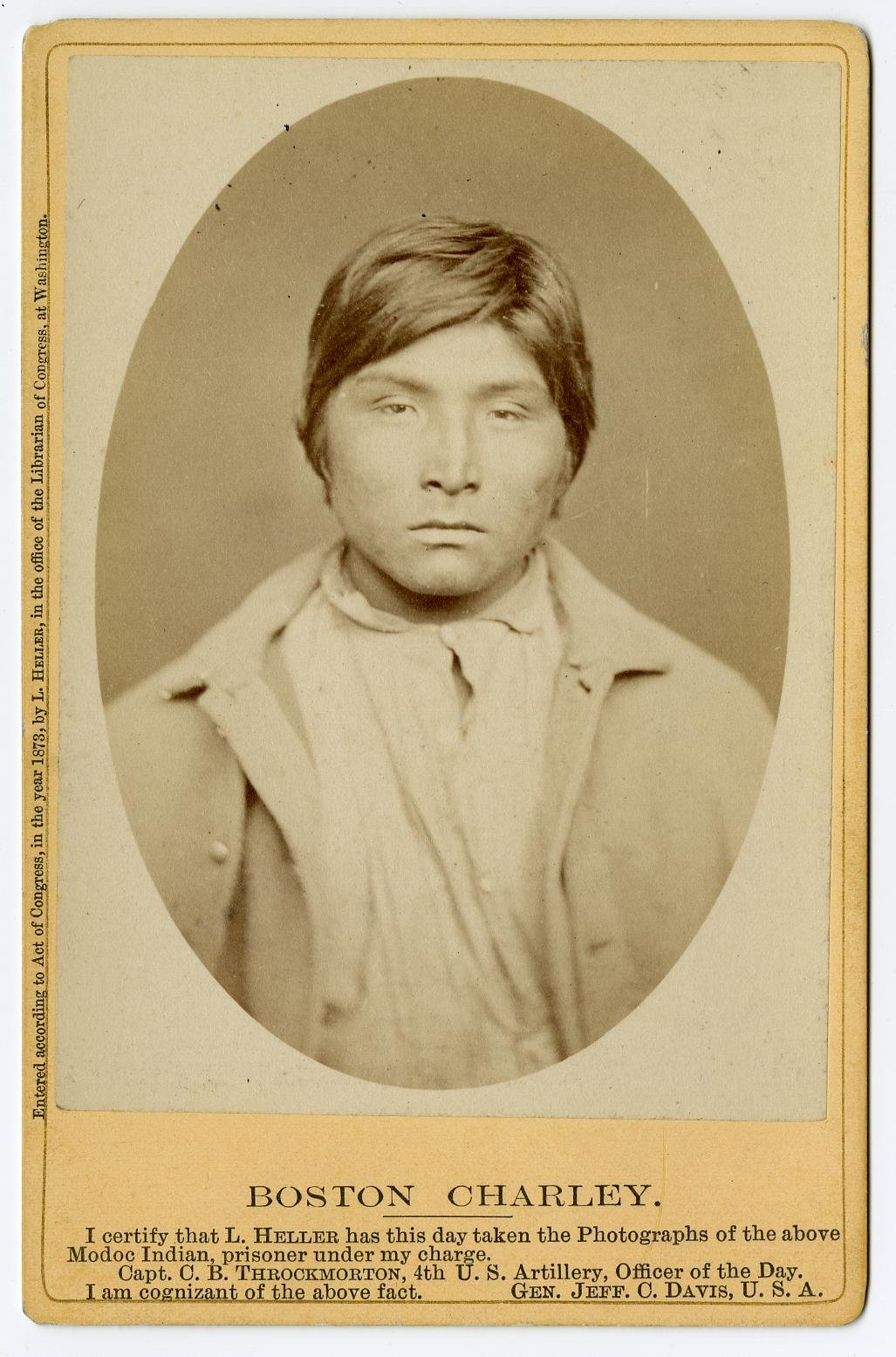
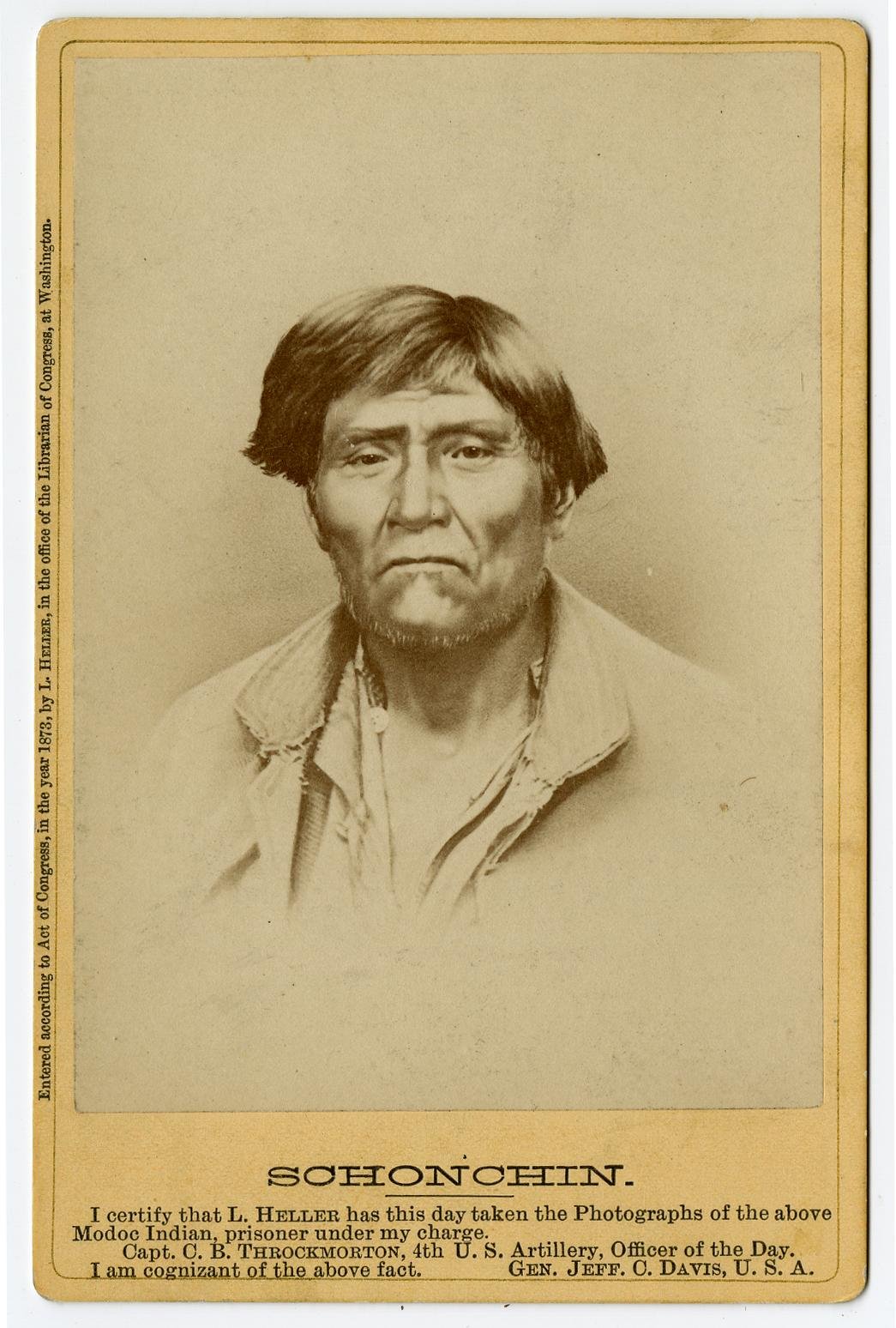
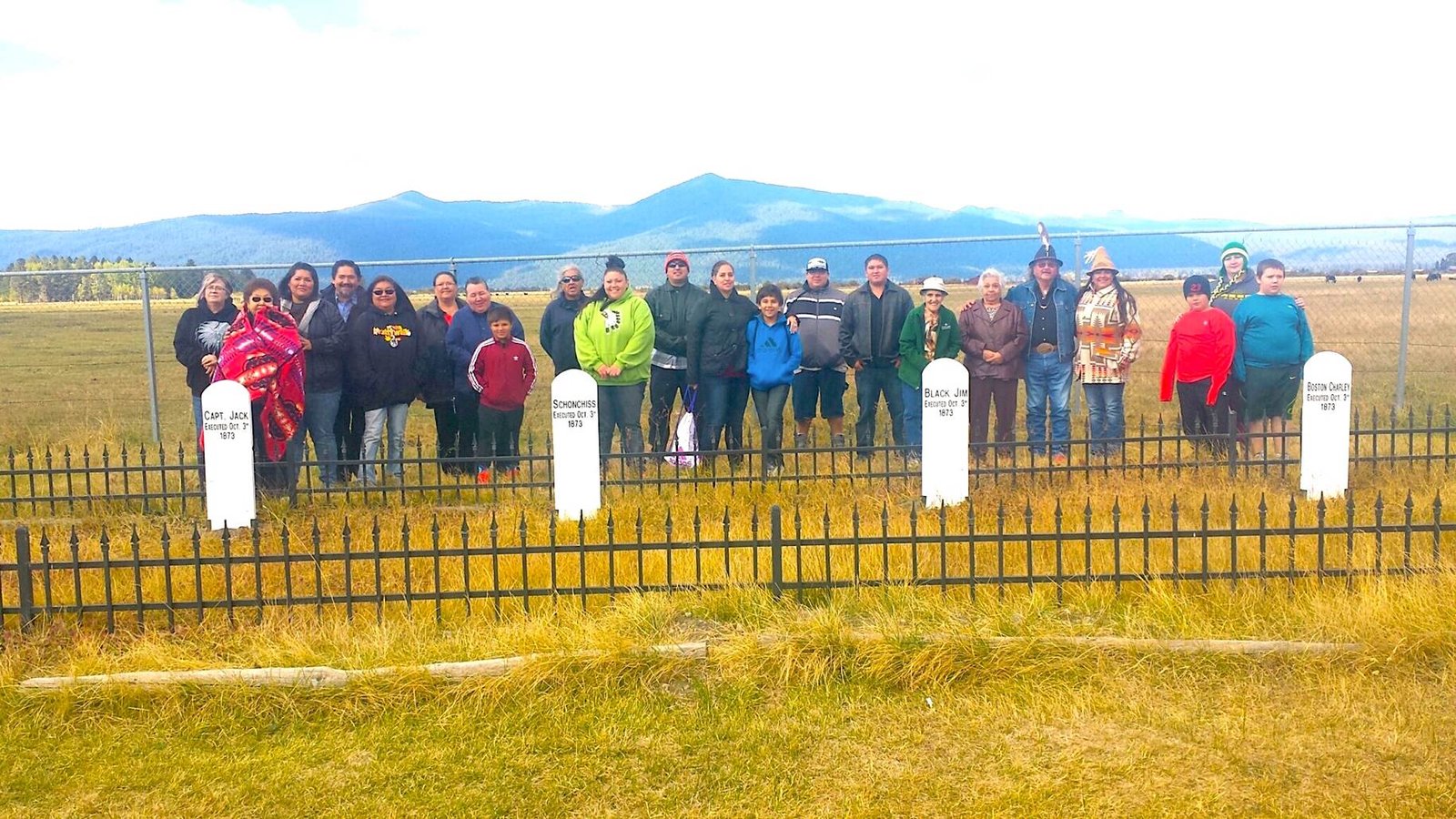
On this 150th anniversary, we remember and honor the Modoc warriors who bravely fought for their land and way of life. The warriors, Captain Jack, Boston Charley, Schonchin John, and Black Jim, will forever be remembered as symbols of resilience and bravery. Their sacrifice has etched an indelible mark in the annals of Native American history.
Aftermath of the Modoc War
The conclusion of the Modoc War saw the survivors being unjustly exiled to Oklahoma – Indian territory . The struggle for survival in an alien land, far from their native soil, added another layer of suffering for the Modoc people. Yet, their spirit remained unbroken, and they persevered, laying the foundation for the survival and growth of future generations.
Today
Despite the trials and tribulations, the Modoc people have continued to thrive. Today, they honor their past while looking towards the future with hope and determination. Their rich cultural heritage and traditional practices continue to be an integral part of their community. The Modoc people who remained in Oregon are part of the Klamath Tribes and those who stayed in Oklahoma and stayed in Indian territory become the Modoc tribe of Oklahoma.
Native American Heritage Month: A Time for Remembrance
As we observe Native American Heritage Month, we pay tribute to the indomitable spirit of the Modoc people and all Native American tribes. Their stories of resilience, bravery, and survival serve as a testament to their enduring heritage and an inspiration for future generations.
Conclusion: Honor through Remembering
Remembering the Modoc War and the 150th anniversary of the death of the Modoc warriors is not just about revisiting a historical event. It's about honoring the courage and resilience of a people. It's about understanding the struggles they endured and the sacrifices they made. In doing so, we pay our deepest respects to the warriors and their descendants, recognizing their invaluable contributions to our shared history.
Sources and Further Reading
For those interested in exploring more about the Modoc War and the history of the Modoc people, several resources provide detailed accounts. Jeff C. Davis Riddle's The Indian History of the Modoc War, Cheewa James Modoc the Tribe That Wouldn’t Die, and Erwin N. Thompson's Modoc War: Its Military History & Topography offer comprehensive insights into this significant period of Native American history.