"All children need at least one person in their corner to help them believe in themselves — one person who feels they are worthy — one person that will stand up for them." — Julie Gilman, veteran advocate, statewide board member, and devoted, tireless banner carrier for CASA-Klamath County
What CASA Does
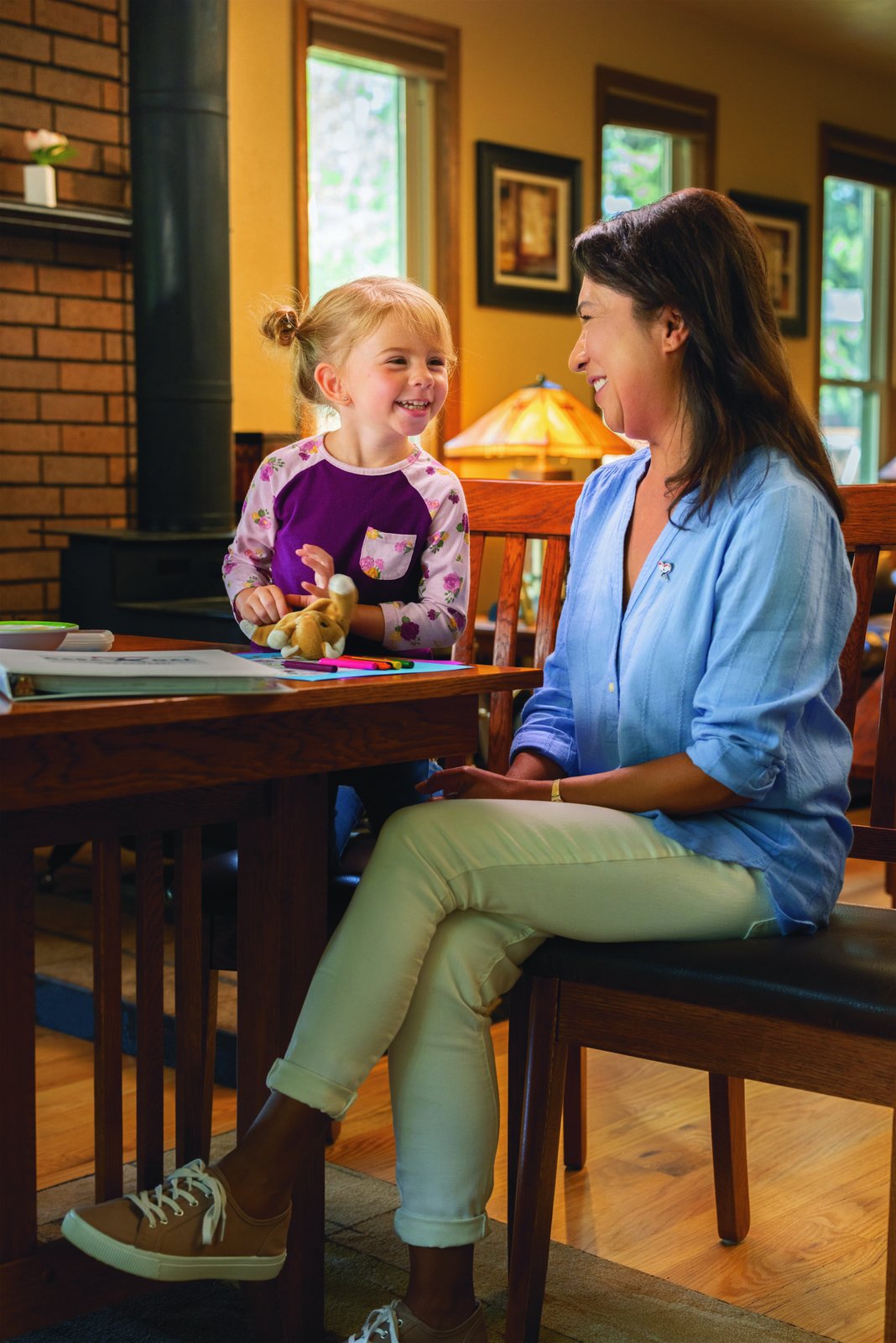
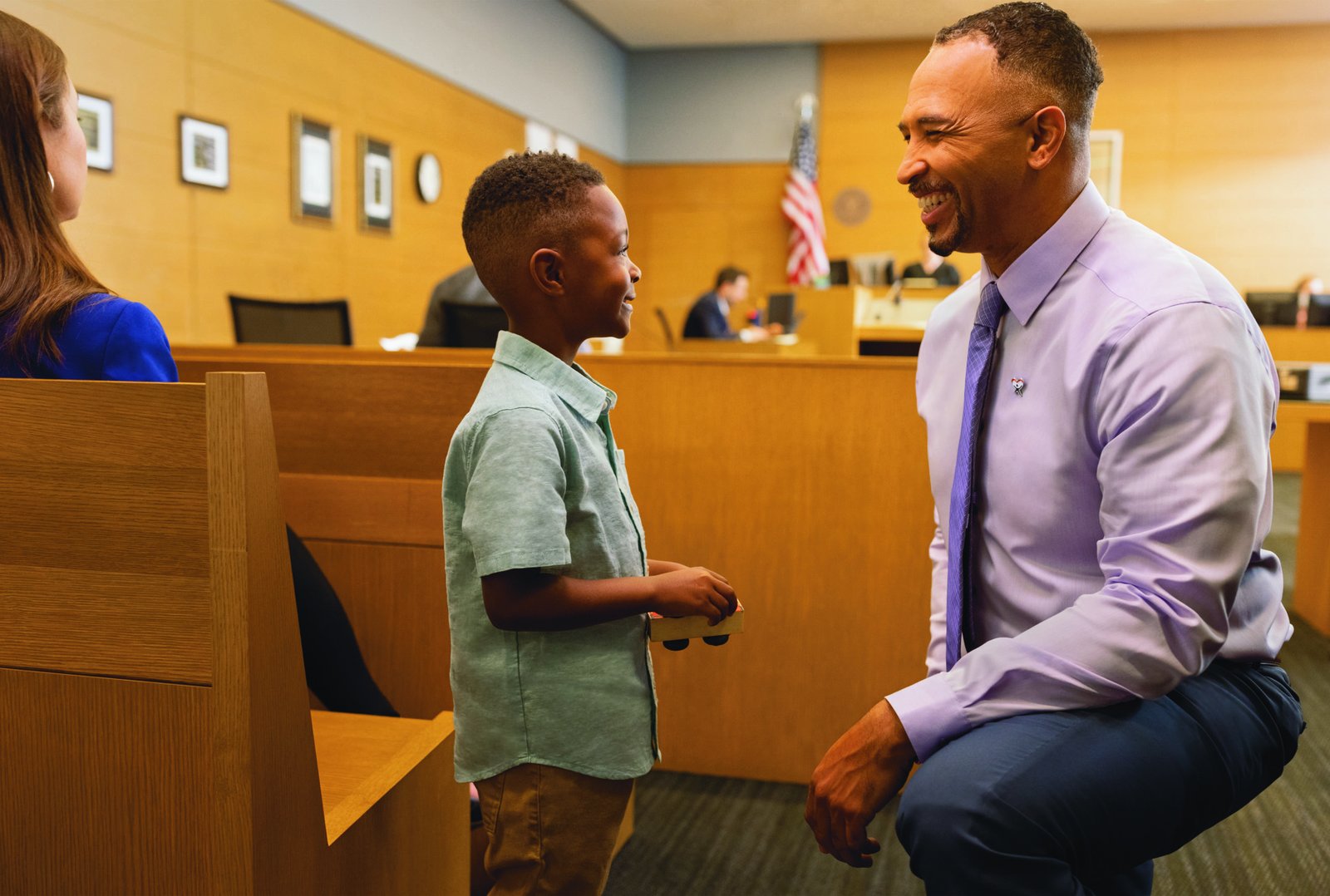
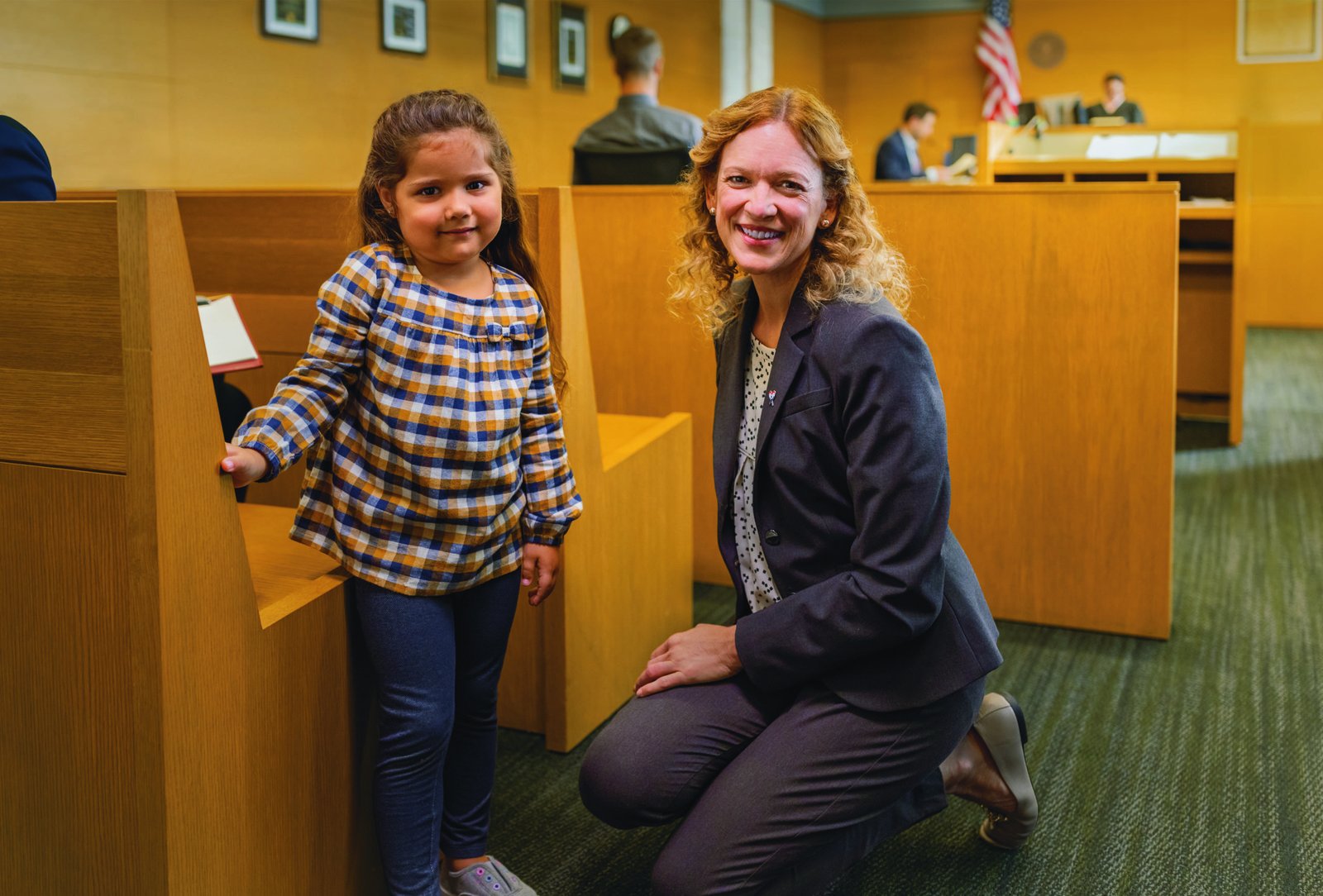
A CASA Advocate — Court Appointed Special Advocate — is responsible for meeting with their assigned child (who is in the foster-care system) at least once monthly, along with all parties involved in the child's care case.
This might include foster parents, teachers, doctors — and most importantly, to be the eyes and ears for the judge.
As the voice in the life of a child, CASAs strive to ensure the child's:
- Safe and successful placement
- Plan for loving care
- Strong education
- Responsible growth in their lives
In a foster-care system where overwhelmed caseworkers may manage dozens of children at once, a CASA advocate is the one consistent adult voice specifically charged with the child's interests.
Local Impact
According to Karri Mirande — eight-year Executive Director and enthusiastic ambassador of the local CASA Program — CASA in Klamath County fulfilled the advocacy needs for 140 children locally in the last year.
"Being an advocate is an important commitment with potential to change a child's life for the better. The most rewarding thing is the opportunity to be a part of changing a child's story and helping them achieve permanent and stable home placement." — Karri Mirande
The Goal — Permanency and Stability
Jeanette Rutherford-Swan, the local Board Chair of CASA, concurs with Karri — emphasizing core goals of the program.
"The goal is to help kids end up in a permanent and safe home as soon as possible. The fact is that children in foster care often experience multiple placements, lost school continuity, and the kind of disrupted childhoods that affect their entire adult lives. A CASA's job is to advocate for stability — for permanency — for the child to have one steady adult voice in the room when decisions about their future get made."
"One Person Who Stands Up for Them"
Julie reinforces Karri's sentiments — that a CASA is that one person for many of our community's vulnerable children.
For a foster child whose adults have been inconsistent — biological parents in crisis, caseworkers rotating, foster homes changing — having an advocate who shows up monthly for as long as the case is open is irreplaceable.
That's the relationship CASA builds. And it's why the program produces measurably better outcomes for the kids it serves.
How to Become a CASA Advocate
CASA's volunteer model requires:
- Application and background check
- Training through CASA's standardized curriculum
- Monthly commitment for the duration of a case (typically 1–2 years)
- Reporting back to the court at scheduled hearings
- A heart for kids who need an adult in their corner
You don't need a legal background, a social-work background, or any specific professional credential. You need time, consistency, and the willingness to advocate for a child who can't yet advocate for themselves.
Why Klamath Needs More CASAs
The 140 children CASA-Klamath served last year is a meaningful number. It's also not enough — there are always more children in the foster system than there are trained advocates to serve them.
If you've ever wondered whether there's a meaningful way to give back to the basin — becoming a CASA is one of the highest-leverage volunteer commitments available in Klamath County.
Get Involved
CASA-Klamath County Karri Mirande, Executive Director casaklamath.org
Whether through:
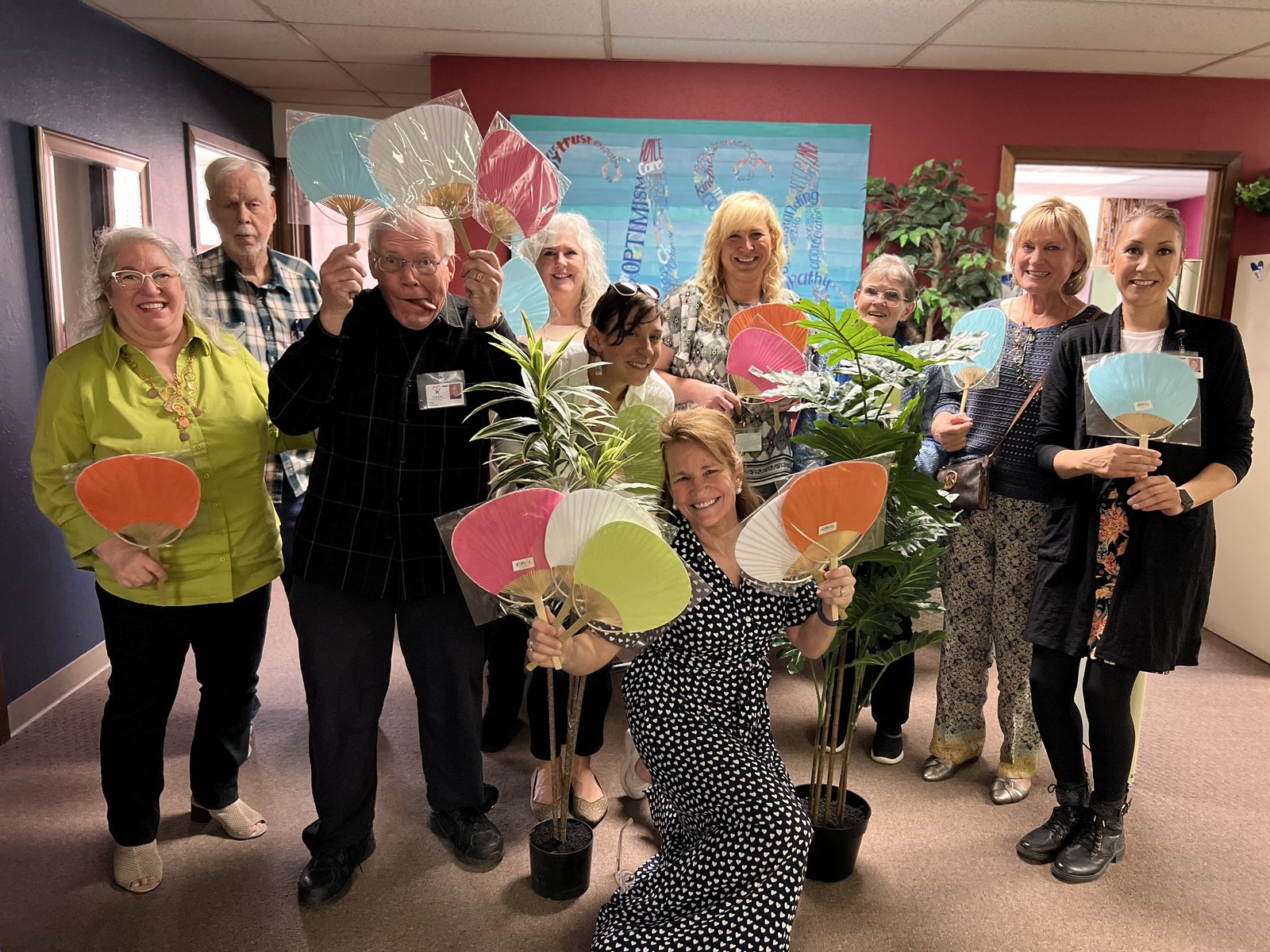
- Becoming an advocate yourself
- Donating to fund the program's professional support staff
- Volunteering for fundraising events
- Spreading the word to people in your network who might be the right fit
— CASA needs you.
Every child needs at least one person in their corner. In Klamath County, CASA is how we make sure they have one.