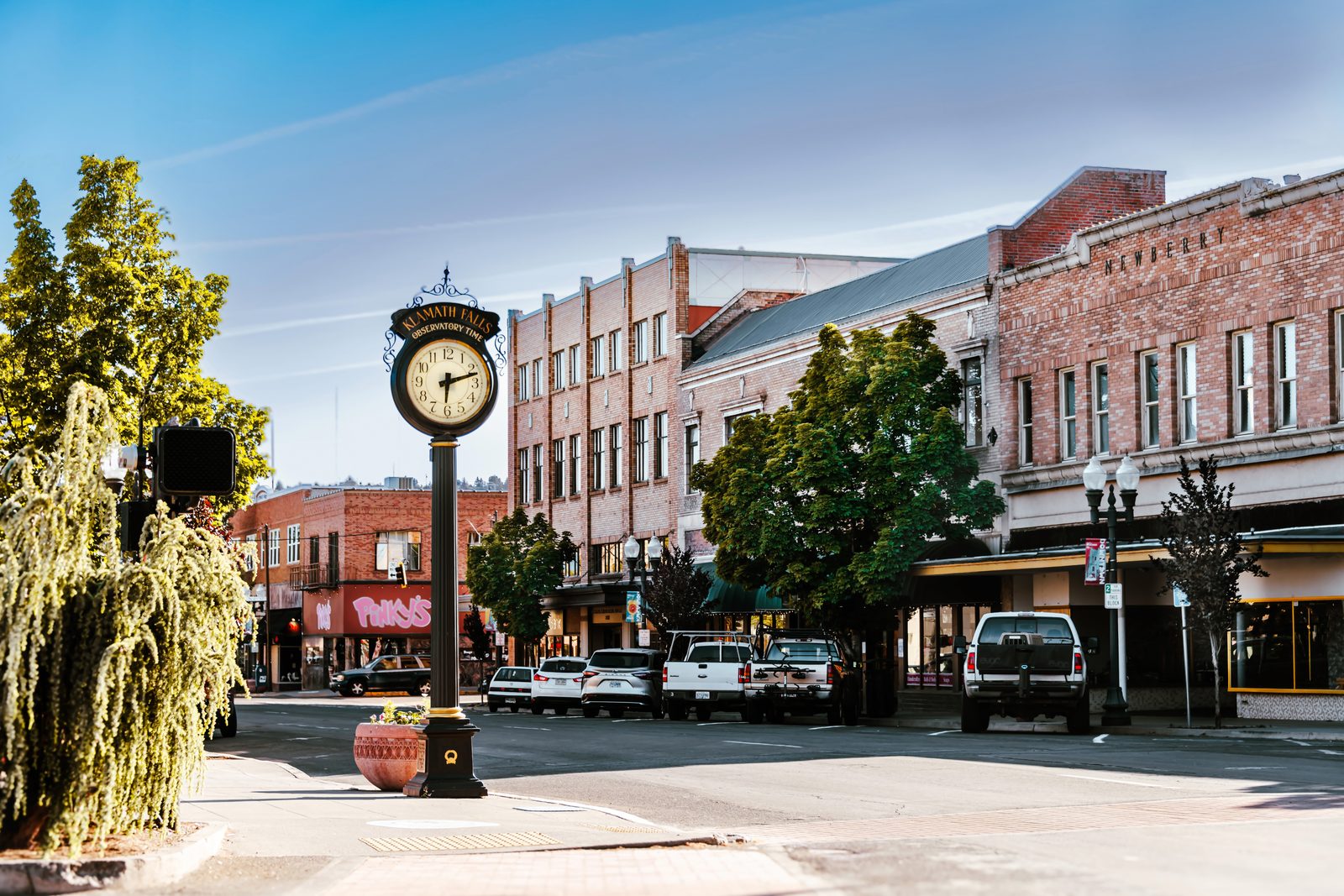
Oregon's Klamath Basin is on the map for Crater Lake National Park, Kingsley Field Air Base, Oregon Tech University, the Klamath National Wildlife Refuge, and many other gems that contribute to the region's culture and success.
Residents are rightfully proud of every one of these resources — and in 2000, they were nothing short of visionary in protecting the community's most valuable resource of all: Klamath's children.
A Visionary 2000 Founding
That year, local leaders established Friends of the Children–Klamath Basin — the third (and first rural) chapter of a nonprofit mentoring organization founded in 1993 in Portland, Oregon.
The program was unique in that it:
- Enrolled children early (at age 4-6)
- Promised them year-round, long-term mentoring (through high-school graduation)
- From paid, highly-trained mentors ("Friends") instead of volunteers
That third element — paid, professional Friends — is what distinguishes the Friends model from traditional volunteer mentorship programs.
A National Network with National Recognition
Today, Friends of the Children mentors are at work at 32 sites in 19 states and sovereign tribal nations.
The nationwide program has received multi-million-dollar gifts from philanthropists:
- Michael Jordan
- MacKenzie Scott
- Gary and Christine Rood
It has been recognized by:
- U.S. Surgeon General Vivek Murthy
- Olympian Simone Biles (widely promoted by)
That level of national recognition and major-donor support reflects the measurable, replicable impact the Friends model has produced over three decades.
The Outcomes That Justify the Investment
Friends of the Children has grown in Klamath and nationally because of its proven impact on children facing great obstacles like poverty or abuse.
Klamath Basin graduate outcomes
Of Klamath Basin's graduates:
- 96% remain free from juvenile-justice involvement
- 93% postpone parenting until after the teen years
- 93% earn a high-school diploma or GED
In short — program participants get the nurturing they need to break the generational patterns that statistical projections would otherwise predict for kids growing up in their circumstances.
Why the Model Works
The Friends of the Children model works for several specific reasons:
1. The 12+ year commitment
A Friend is committed to the child from kindergarten through high-school graduation. No matter what.
That kind of commitment is unique in the world of youth services — most programs are short-term, episodic, or end when a family moves or a caseworker changes.
2. The paid, professional staff
Volunteers can't reliably commit to 12+ years of weekly engagement. Paid Friends can — because the work is their full-time job.
3. The intentionality of pairing
Friends are matched to children based on personality, interests, and family dynamics — producing relationships that hold up under the test of time.
4. The multi-site presence
Friends meet kids:
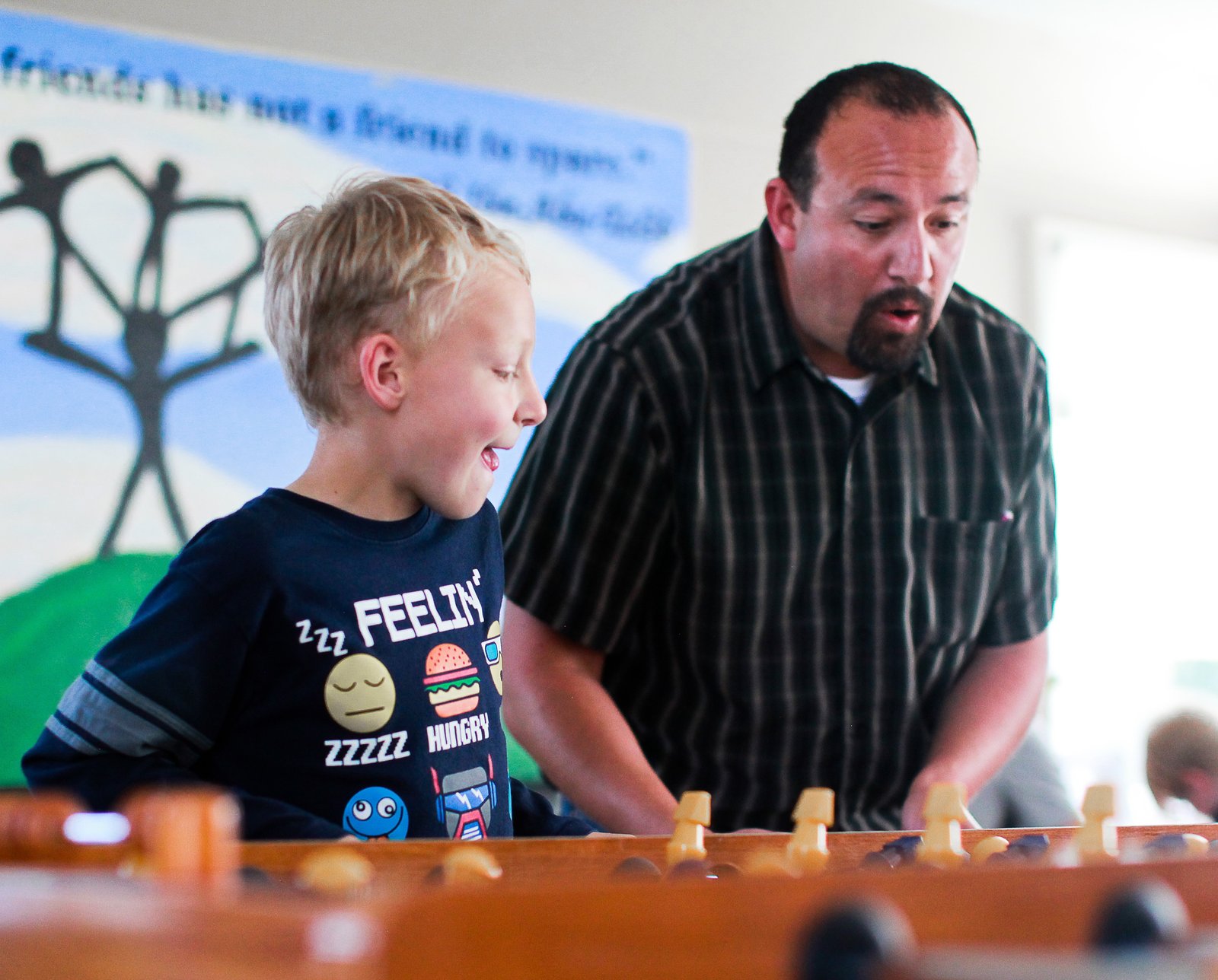
- In their classroom — supporting school connection
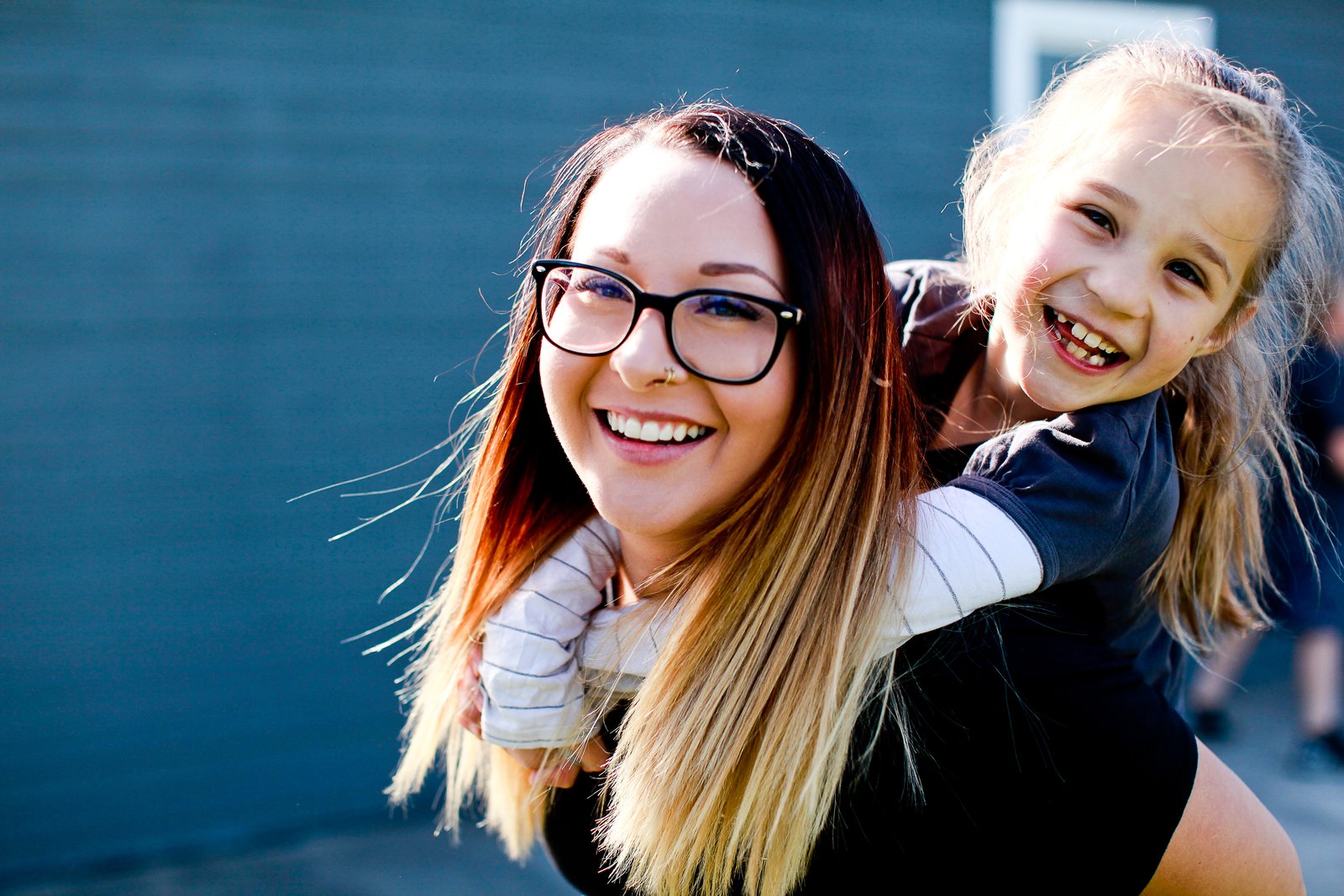
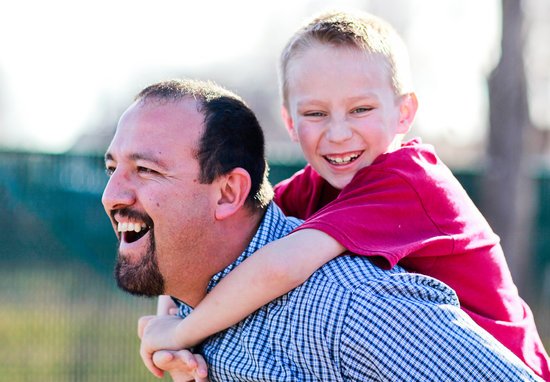
- In the community — at parks, events, anywhere a kid spends time
- At the Friends "Clubhouse" — Klamath Basin facilities in Klamath Falls and Chiloquin
The triple-presence model means the Friend is woven into the child's life across every setting.
5. The four hours per week, year-round
Consistent dosage — four hours/week — is enough to be meaningful without overwhelming the child or the Friend.
What a Friend Does
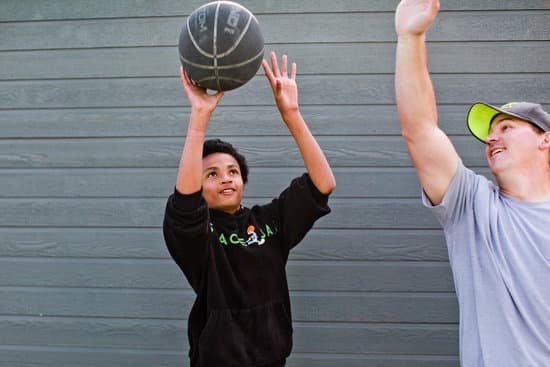
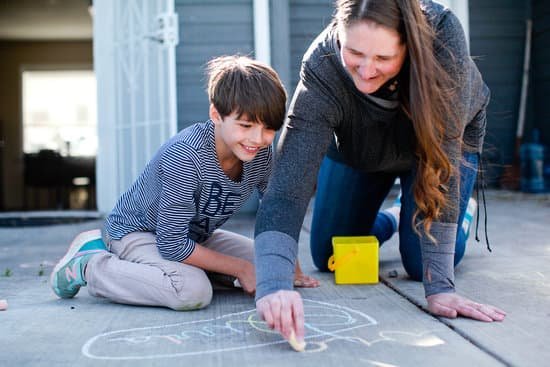
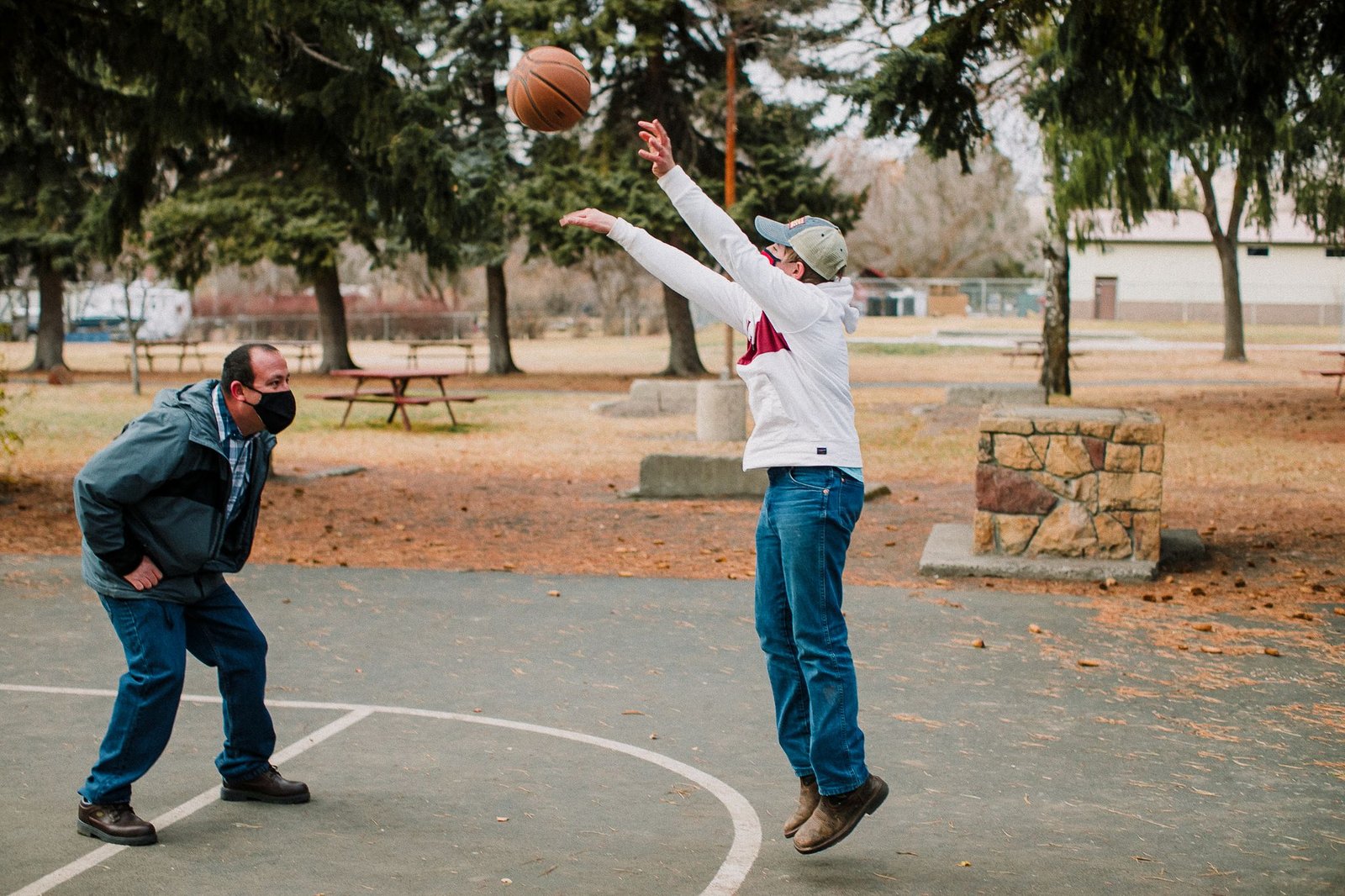
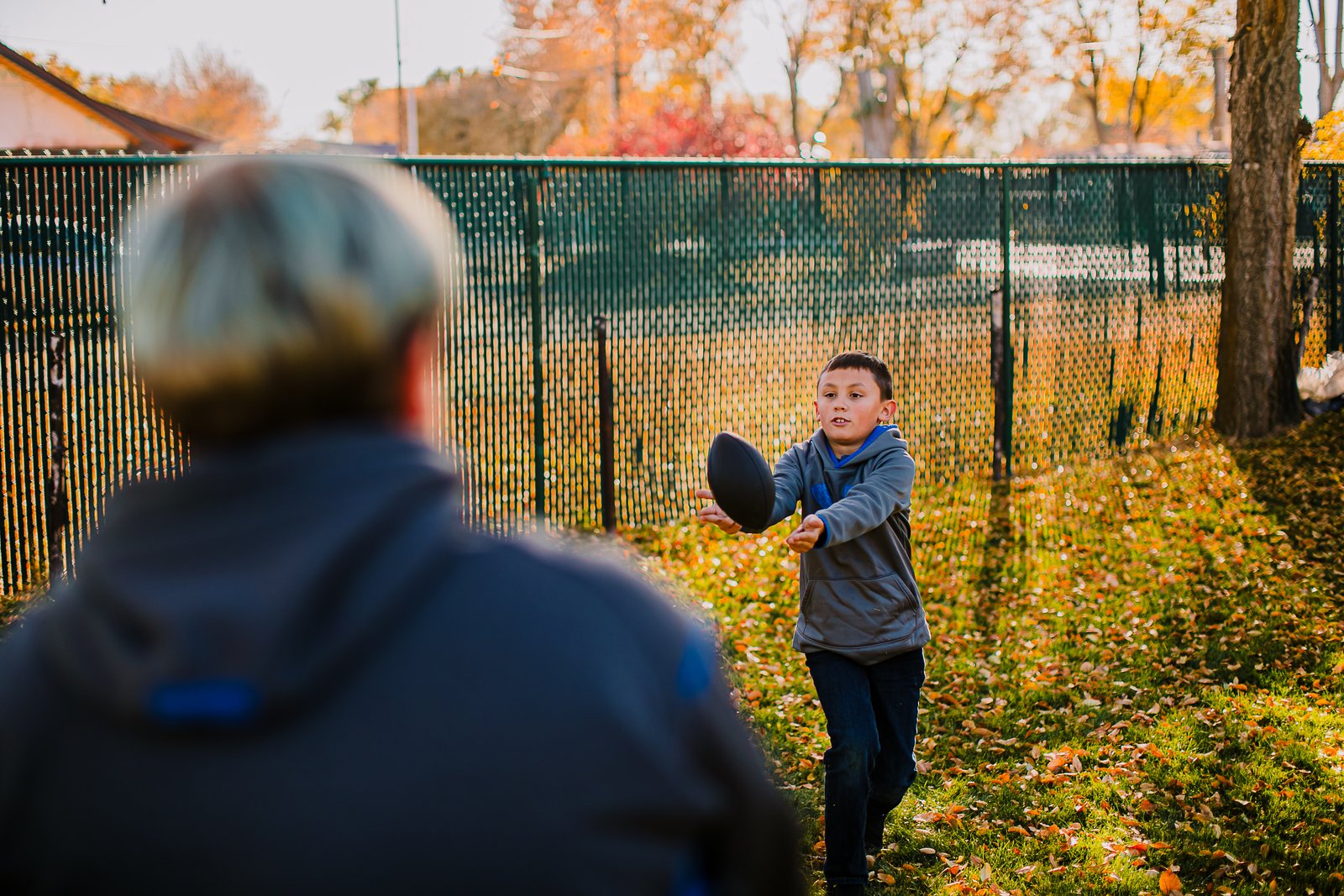
A Friend's typical week with their child might include:
- A school visit — checking in with teachers, sitting in on a class period, attending an assembly
- A community outing — park visit, library trip, museum, restaurant
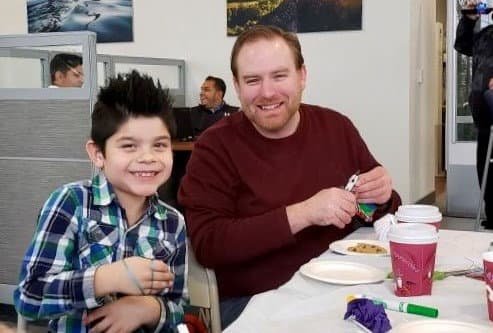
- A Clubhouse hour — homework support, art project, cooking, games
- Family touch point — brief check-in with the child's parents/guardians
Across years of this kind of consistent presence, the Friend becomes:
- A trusted adult in a life that may have had few of them
- An emotional regulator during hard moments
- A coach for school, life skills, and decision-making
- A connector to other community resources
- A consistent witness to the child's growth and effort
The Klamath Chapter — 25 Years In
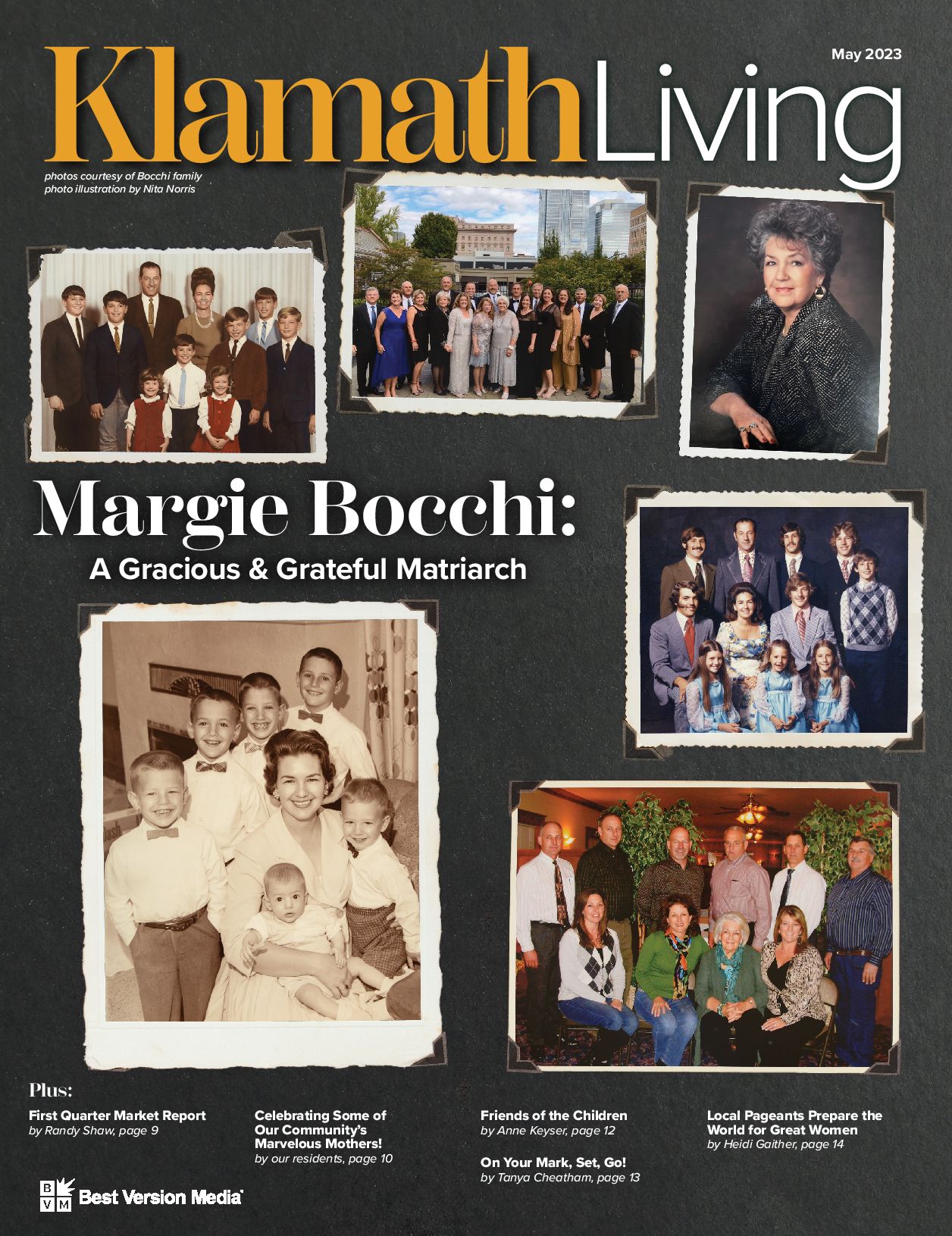
In 2025, Friends of the Children–Klamath Basin will mark its 25th year — covered in this magazine's December 2024 charity spotlight by Amanda Squibb.
Across those 25 years, the Klamath chapter has served hundreds of basin kids — many of whom are now adults working, raising families, and contributing to the community.
How to Support
For Klamath Basin residents who want to invest in Friends of the Children–Klamath Basin:
Donate
Direct financial support funds:
- Friend salaries (the core program cost)
- Clubhouse operations
- Youth programming and outings
- Family-support services
Volunteer organizationally
Volunteer roles exist beyond mentoring itself:
- Board service
- Committee work
- Event volunteering
- Fundraising
- Professional services pro-bono
Spread the word
Many Klamath Basin families don't know Friends exists locally — including families who might benefit from the program and donors who might support it.
Connect Friends with kids
Referrals come from schools, social workers, family courts, healthcare providers — anyone in a position to identify a young child who could benefit from a Friend.
A Community's Choice
In 2000, Klamath Basin community leaders made a choice: invest in our children, no matter what it costs, no matter how long it takes.
Twenty-five years later, that choice continues to pay dividends in:
- Reduced juvenile-justice involvement
- Higher graduation rates
- Delayed parenthood that gives the next generation a better starting line
- Stronger families across the basin
- A model other rural communities can adapt
Contact
Friends of the Children–Klamath Basin friendsklamathbasin.org
If you're a Klamath Basin community member with the capacity to donate, volunteer, or advocate — Friends needs you.
If you're a family whose child might benefit from a Friend — contact Friends and start the conversation.
Klamath's most valuable resource is its children. Friends of the Children is one of the most effective ways to invest in them.