As we celebrate freedom and independence this month, it's essential to reflect on the symbols that represent our nation's commitment to resolving the fates of those who served and sacrificed.
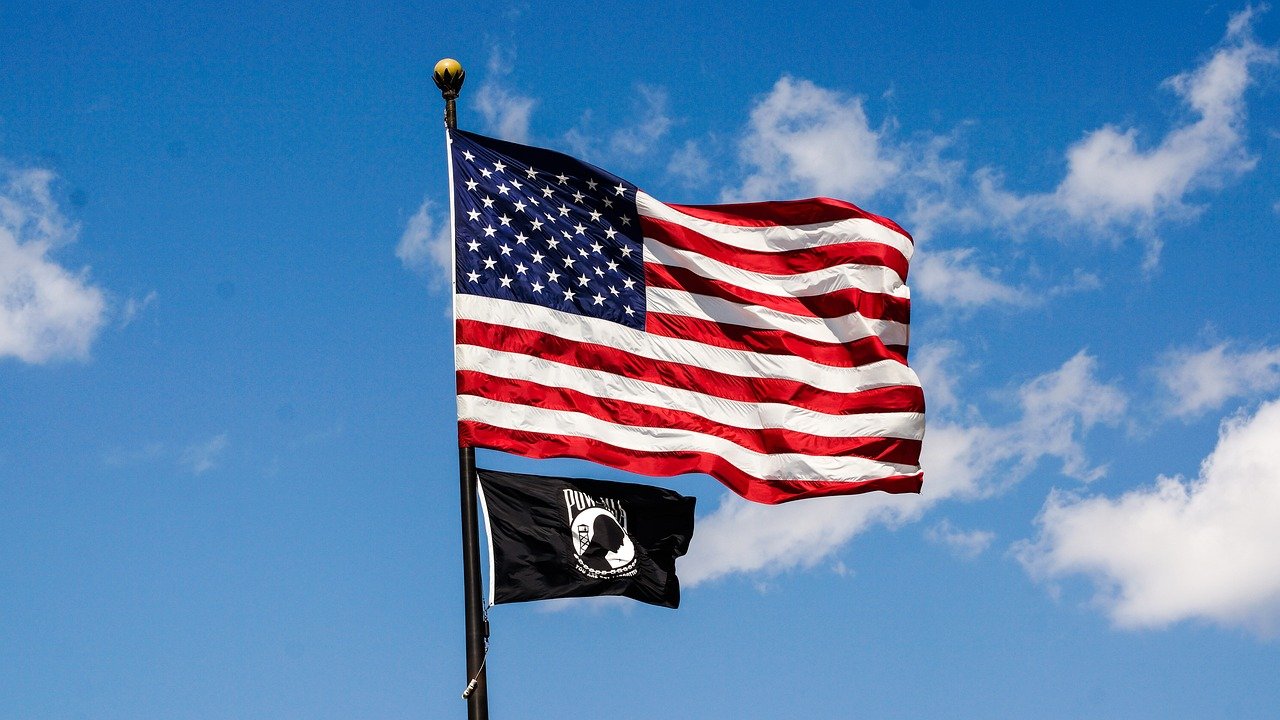
One such symbol is the POW/MIA flag — a powerful reminder of America's determination to account for U.S. personnel still missing and unaccounted for from the Vietnam War.
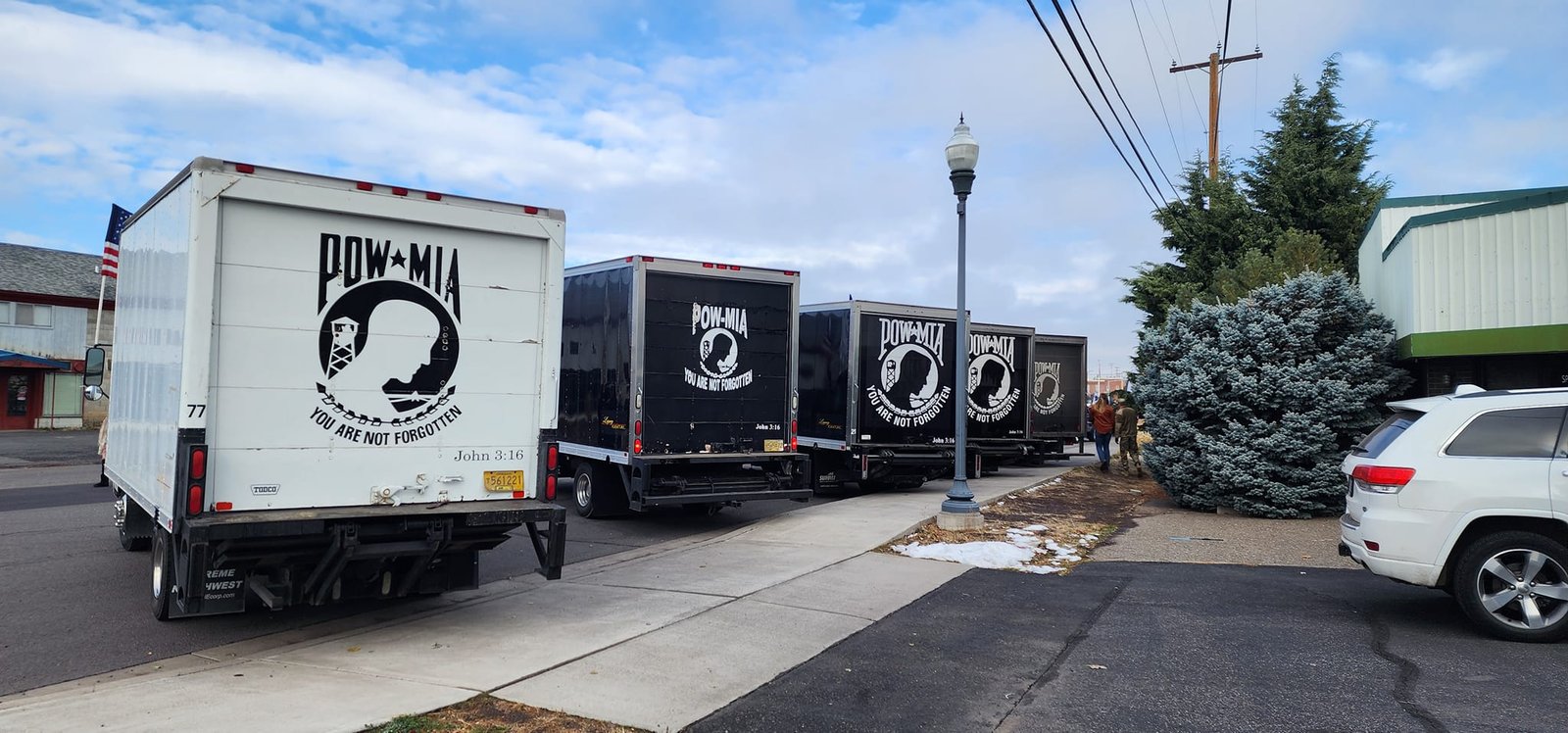
Many residents in Klamath Falls have noticed Legacy Furniture delivery trucks sporting special designs featuring the POW/MIA flag. This article delves into the history, meaning, and significance behind this emblem — and how Ken and Pam Padilla, the owners of Legacy Furniture, are honoring its mission.
The Origins of the POW/MIA Flag
The Need for a Symbol
In 1970, Mrs. Michael Hoff — an MIA wife and member of the National League of POW/MIA Families — recognized the importance of having a symbol to represent the POW/MIAs.
Her efforts soon led her to contact Norman Rivkees, Vice President of Annin & Company — who was sympathetic to the POW/MIA cause. Annin & Company had a history of making flags for all United Nations member states.
The Design Process
Norman Rivkees and Newt Heisley — an Annin advertising-agency employee — collaborated to create a flag that would encapsulate the plight of missing American servicemen.
After receiving approval from the League's Board of Directors in January 1972, the POW/MIA flags were manufactured and distributed.
A Symbol Without Trademark
The League decided against seeking a trademark or copyright for the flag — allowing for widespread use and visibility of the symbol.
That decision matters. Most powerful symbols become powerful precisely because they aren't gatekept. The POW/MIA flag is now visible at military installations, government buildings, veterans' organizations, biker rallies, parades, and on the side of Legacy Furniture's delivery trucks in Klamath Falls — all because the League chose accessibility over control.
The POW/MIA Flag's Journey to National Recognition
Flying Over the White House
The POW/MIA flag gained significant recognition when it was flown over the White House for the first time in 1982 on National POW/MIA Recognition Day.
That moment elevated the flag from a movement symbol to a nationally-recognized emblem of America's commitment to its missing service members.
Installation in the U.S. Capitol Rotunda
In 1989, an official League flag that had flown over the White House the previous year was installed in the U.S. Capitol Rotunda — following the passage of legislation by the 100th Congress.
The installation ceremony was hosted by the leadership of both Houses in a demonstration of bipartisan support.
For a politically divided era, the POW/MIA flag remains one of the few symbols that consistently receives unified bipartisan honor — because the cause it represents (accounting for missing American service members) is one of the rare commitments that crosses every political line.
The U.S. Defense POW/MIA Accounting Agency
The U.S. Defense POW/MIA Accounting Agency was established to investigate the status of POW/MIA issues and provide accountability for the families of missing service members.
The agency operates under the position that "there has not been compelling evidence that any American remains alive in captivity in Southeast Asia" — while continuing the ongoing work of identifying remains, contacting families, and completing the historical record of every service member who didn't come home.
That work — slow, methodical, often involving DNA identification of remains decades after a service member's loss — continues today and will continue for as long as there are families waiting for answers.
Legacy Furniture's Tribute
So why does a Klamath Falls furniture store paint the POW/MIA flag on their delivery trucks?
Ken and Pam Padilla — the owners of Legacy Furniture — chose to use their business to honor the mission of the POW/MIA flag.
Every delivery their trucks make is also a rolling reminder to every Klamath Falls neighbor who sees them:
- Some Americans never came home
- We still owe their families an accounting
- The work of remembering is ongoing
It's a small, daily act of patriotism — done not in words but in the physical presence of the symbol throughout the community.
What the Flag Looks Like
The POW/MIA flag features a stark, instantly recognizable design:
- Black background
- White silhouette of a man's head in profile (representing every missing service member)
- Watchtower with a guard behind the silhouette (representing captivity)
- Barbed wire
- The words "POW · MIA" at the top
- The phrase "YOU ARE NOT FORGOTTEN" below
That last phrase is the heart of the flag — and the heart of why Ken and Pam Padilla put it on every delivery truck. You are not forgotten.
How to Honor the POW/MIA Mission
For Klamath Falls residents who want to honor the POW/MIA mission beyond simply recognizing the flag:
- National POW/MIA Recognition Day — third Friday of September each year. Attend a local ceremony or observe a moment of silence.
- Fly the POW/MIA flag at your business, home, or community organization
- Support veterans' organizations in the basin — VFW, American Legion, Rolling Thunder, and other military-honor groups
- Visit and support the U.S. Defense POW/MIA Accounting Agency website to understand the ongoing work
- Talk to your kids about what the flag means and why it matters
To Ken, Pam, and Legacy Furniture
Thank you for using your business to honor American service members who never came home.
Every delivery truck that rolls through Klamath Falls bearing the POW/MIA flag is a reminder to the rest of us that freedom isn't free, and the work of remembering is ongoing.
Contact
Legacy Furniture 3250 Washburn Way, Klamath Falls (541) 882-3217 · LegacyFurnitureusa.com
Voted #1 Furniture Store in Klamath County. Your local source for all your home furnishing needs.
(Sister store: Bedroom Gallery · 1204 Main Street · (541) 884-2773 · BedroomGallery.com — Voted #1 Mattress Store in Klamath County, proudly serving the community for over 39 years.)
You are not forgotten.