The annual observance of National Native American Heritage Month is a cherished tradition that honors the profound contributions and resilient spirits of Indigenous communities across America. This commemorative period invites us to delve into the rich tapestry of Native cultures, histories, and enduring legacies that have shaped the fabric of our nation. As we embark on this journey, we turn our focus to the Klamath Tribes, a vital component of the Klamath Basin region's vibrant Indigenous heritage.
Tracing the Origins The pursuit of recognition for the invaluable role of Native Americans in shaping the United States can be traced back to the early 20th century. Visionary leaders like Dr. Arthur C. Parker, a Seneca Indian and director of the Rochester Museum of Arts and Science, tirelessly advocated for a dedicated day to honor the "First Americans." Their efforts inspired organizations like the Boy Scouts of America to set aside a day for this purpose, planting the seeds for a broader movement.
Grassroots Initiatives and Legislative Milestones In 1915, the Congress of the American Indian Association formally endorsed the concept of an "American Indian Day," with Rev. Sherman Coolidge, an Arapaho minister, issuing a proclamation declaring the second Saturday of each May for this observance. Simultaneously, Red Fox James, a Blackfoot Indian, embarked on a horseback journey across states, garnering endorsements from 24 state governments to present at the White House.
While these early initiatives did not immediately result in a national holiday, they paved the way for state-level recognitions. New York became the first state to declare an "American Indian Day" in 1916, with others like Illinois following suit in subsequent years.
The Path to a National Observance It wasn't until 1990 that President George H.W. Bush approved a joint resolution designating November 1990 as "National American Indian Heritage Month." This landmark decision ushered in an annual tradition of presidential proclamations celebrating the diverse cultures, traditions, and histories of Native American, Alaska Native, and Native Hawaiian communities.
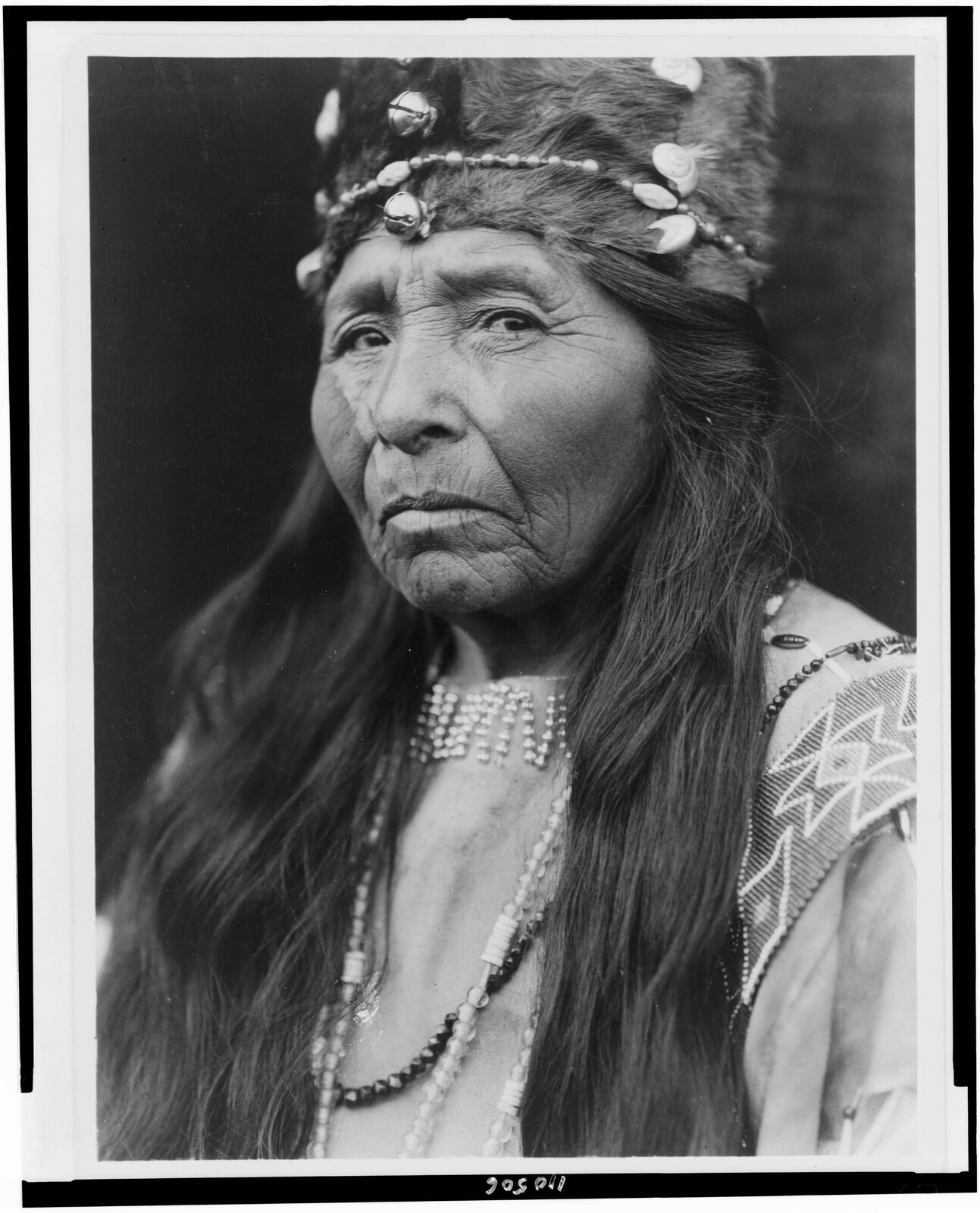
The Klamath Tribes: A Tapestry of Resilience As we explore the significance of National Native American Heritage Month, we turn our attention to the Klamath Tribes, a collective of the Klamath, Modoc, and Yahooskin-Paiute peoples, whose ancestral homelands span the Klamath Basin region. Their stories are woven into the fabric of this land, from time immemorial.
A Legacy of Perseverance and Adaptation The Klamath Tribes have navigated a complex history, marked by resilience and adaptation in the face of adversity. Their journey through the reservation era, termination, and eventual restoration of federal recognition is a testament to their unwavering determination to preserve their cultural identity and sovereignty.
Thriving Traditions and Contemporary Contributions Today, the Klamath Tribes continue to uphold their rich cultural heritage through language instruction, tribal ceremonies, and gatherings that foster intergenerational knowledge transfer. Their contributions extend beyond preserving traditions, as they play a pivotal role in the local economy and environmental stewardship efforts.
Honoring the Past, Embracing the Future National Native American Heritage Month serves as a poignant reminder to honor the sacrifices and triumphs of Indigenous communities while embracing their ongoing contributions to our collective narrative. It is an opportunity to celebrate the diversity of Native cultures, promote understanding, and foster mutual respect.
Raising Awareness and Amplifying Voices Throughout this commemorative period, various initiatives and campaigns aim to raise awareness about the unique challenges faced by Native communities, both historically and in the present day. Platforms are provided to amplify Indigenous voices, share stories, and advocate for equitable representation and opportunities.
Empowering Future Generations A central focus of National Native American Heritage Month is empowering the next generation of Native leaders and preserving cultural continuity. Educational programs, mentorship initiatives, and community-driven efforts strive to instill pride in Indigenous youth, equipping them with the knowledge and tools to carry their heritage forward.
Fostering Unity and Reconciliation While acknowledging the painful chapters of the past, this observance also serves as a catalyst for fostering unity, understanding, and reconciliation between Indigenous and non-Indigenous communities. It encourages open dialogues, collaborative efforts, and a shared commitment to building a more inclusive and equitable society.
Celebrating Tribal Sovereignty and Identity The theme for National Native American Heritage Month at the U.S. Department of the Interior is "Celebrating Tribal Sovereignty and Identity." This emphasis underscores the importance of recognizing and upholding the inherent rights of Native nations to self-governance, cultural preservation, and the protection of their lands and resources.
Embracing Diverse Narratives As we navigate this commemorative journey, it is essential to embrace the diverse narratives that exist within Native communities. Each tribe, band, and nation possesses its own unique stories, traditions, and perspectives, enriching the tapestry of Indigenous experiences across the United States.
A Call to Action National Native American Heritage Month is not merely a symbolic observance; it is a call to action for all individuals to actively engage in learning, understanding, and supporting the ongoing efforts of Native communities. By amplifying their voices, respecting their sovereignty, and fostering meaningful connections, we can collectively contribute to a more inclusive and equitable future for all.
As we celebrate the rich cultural heritage of the Klamath Tribes and Indigenous communities nationwide, let us embrace the spirit of unity, resilience, and mutual respect that lies at the heart of this commemorative period. Together, we can honor the past while paving the way for a brighter future, where the invaluable contributions of Native Americans are celebrated and their voices resonate throughout our shared narrative.