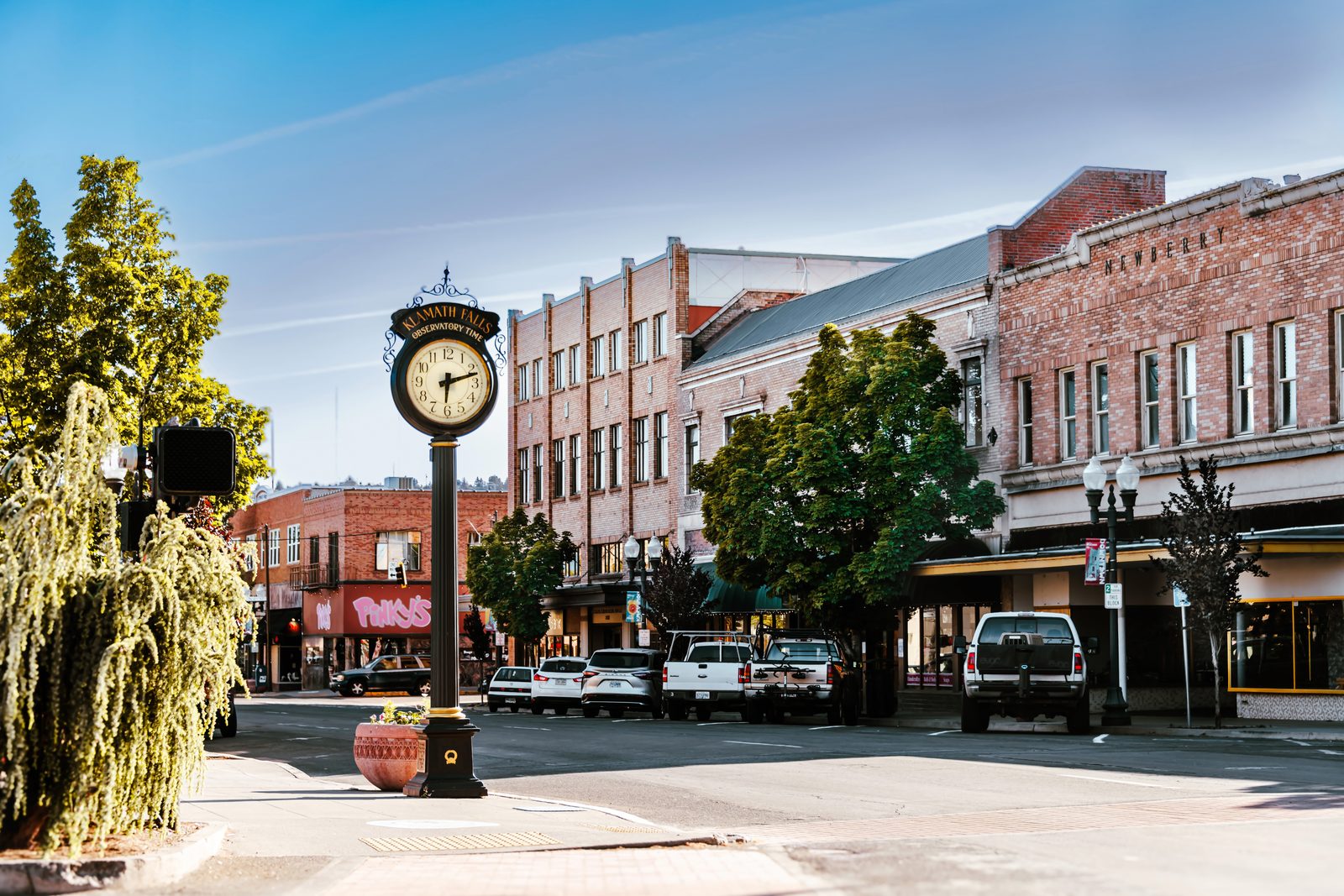
Why the businesses we hear about in spring are usually the ones who kept talking all winter.
Every year around this time I have the same conversation four or five times, usually standing in somebody's shop while they wipe down a counter that doesn't need wiping.
The season has turned. The summer visitors are gone, the phone isn't ringing the way it did in July, and the owner is going down the list of things they pay for every month looking for one they can live without for a while. Advertising is almost always the first name on that list. It's the only line on the page that doesn't send anyone to the door when you skip it. The power company notices. The landlord notices. Nobody writes you a letter when you stop showing up in your neighbors' mailbox.
That's the whole trouble with it, and it took me four years of publishing this magazine to really see it.
Being forgotten doesn't feel like anything
When a business goes quiet, nothing happens.
I don't mean that as a figure of speech. Nothing happens, and that is exactly what makes it so easy to keep not happening. There's no bad week you can point to. No customer calls to say they went somewhere else this time. The absence of any consequence starts to feel like evidence that the spending wasn't doing much to begin with.
But try this. Ask ten people in Klamath Falls to name a roofer. Or a florist, or a place to take their mother for lunch on a Sunday. Watch what they do. They don't reason it out or compare anybody. A name arrives, or it doesn't.
That isn't a decision. It's memory. And memory is built slowly and it fades slowly, which means you cannot feel either one happening while it's happening. You only find out where you stand the next time somebody needs what you sell — and by then the answer has already been given.
What it costs to come back
Here's the part that never makes it onto the spreadsheet.
You do not get to pick up where you left off. You start again from wherever people's memory of you happened to land while you were away. Six quiet months isn't a pause you resume from; it's ground you walk back over. Everyone I know who has done it says the same thing afterward — that getting back to where they already were took longer and cost more than simply staying would have.
And the cut is a slow-acting thing, which is what makes it so hard to argue with. You trim in October and the business feels fine in November. It feels fine in December. The bill comes in April, and by April there are six other things you can blame it on.
In a town this size, it isn't advertising. It's a relationship.
This is the part I think gets missed when marketing gets talked about as a line item at all.
In Klamath Falls, you are going to see your customers. At the grocery store, at the Chamber breakfast, in the stands at a game, in line at the pharmacy. Your name is not a brand impression here — it's a piece of an ongoing conversation the whole Klamath Basin is having with itself about who does good work.
You can step out of a conversation for a while. People understand. But nobody holds your spot for you, and when you come back the room has moved on to other things. That's not anybody being disloyal. That's just what conversations do.
If you have to cut, cut. Just don't stop.
I'm not going to stand here and tell a business owner in a slow season to spend more money. Some years are lean, and a lean year is a real thing, not a mindset problem.
But there is a difference between spending less and disappearing, and it is a much bigger difference than it looks like in October.
So if the number has to come down, bring it down. Take the smaller space. Run every other month instead of every month. Pick the one place your actual customers actually look and hold that ground all twelve months instead of being three places for four months and nowhere for eight. Consistency at a small size beats a burst followed by silence, every time, and it costs less.
The other thing I'd say — and this is the change I've watched happen around here in the last couple of years — is that a lot of the businesses who used to fall behind in the slow months aren't falling behind anymore, because the follow-up doesn't depend on anybody remembering to do it. The reminder goes out. The list stays current. The website answers the question at nine at night. That's not a marketing budget. That's just not letting the quiet season decide for you.
Why I care about this more than I probably should
Because I read what comes back.
When somebody writes in about a business in this magazine, they almost never mention the ad. They mention that they'd been seeing that name around for a while and finally called. That's the whole mechanism, and it runs on time, not on volume.
The businesses people call in June are the ones who were still on the page in February. That's not a sales pitch. After four years of putting this thing together, it's just the pattern.
See you around town.